
One-on-one personal support, every step of the way—human to human
We’re here to provide you with everything you need—detailed info, video demos, and even a connection with your doctor if necessary. Whether by phone, email, chat, or video, we ensure you and your doctor have a clear understanding of how UV Tactus can help.
We help you select the right accessories and guide you through the purchase process. Once you receive your UV Tactus, we’ll explain how to use it, how the app works, and ensure you are ready to start treatment confidently.
Your well-being and healing matter deeply to us. As you begin using UV Tactus, we’re here for any questions—whether it’s help with daily use, assistance setting up treatment plans in the app, or anything else. Our goal is to ensure you get the most out of your device and app. This is a lifelong partnership, and we’ll be with you every step of the way, supporting your journey toward healthier skin.
F.A.Q.
If you have psoriasis, vitiligo, eczema or other skin conditions that respond to light therapy, you are a potential candidate for UV Tactus. You can use it alone or in combination with other therapies.
A medical device must have the CE mark along with the four-digit number of the notified body in order to be legally sold as a medical device in the European Union. This mark indicates that the device complies with EU regulations and that:
-
It has been reviewed by authorities regulating the manufacture of medical devices,
-
It is based on scientific evidence,
-
Its clinical effectiveness has been proven,
-
Strict quality management systems are implemented.
UV Tactus is a safe and reliable medical device, holding both CE and ISO 13485 certifications. It is manufactured in accordance with the EU Medical Device Regulation (MDR) 2017/745. This medical device is specifically designed for treating skin conditions. Its intended purpose is to positively impact human health by treating dermatological disorders.
You can find UV Tactus certificates here
Home phototherapy provides flexibility, allowing patients to manage their skin condition on their own schedule without disrupting routine, which is especially helpful for those with busy lives or living far from clinics. This ease of use often leads to better adherence to the treatment plan, potentially improving outcomes. It's also cost-effective by reducing travel and clinic visit expenses. Additionally, studies show home treatments are just as safe and effective as in-clinic care, while offering the added comfort of receiving care in one's own home and therefore sometimes even better outcomes.
Also, possibility of home phototherapy provides patients with psoriasis, eczema and vitiligo with safe and natural treatment options. However,, when choosing home phototherapy, You need to select appropriate device for effective and easy treatment (see how UV Tactus is different from other home devices on the market here).
The key difference that sets UV Tactus apart from other devices is that it’s the only CE-certified medical home phototherapy device powered by LEDs. This alone makes UV Tactus the device that could not be compared to others, but there are more advantages worth to mention:
- It saves you time by delivering the required dose 1.5 times faster.
- An integrated dosimeter ensures precise dose control and automatically shuts off the device when the dose is reached.
- It offers a flexible treatment area ranging from 26.5 cm² to 106 cm², allowing you to target both small and larger areas effectively.
- The companion app automatically suggests the correct treatment dose, sends reminders, tracks your progress, generates reports, and keeps your treatment smooth and easy to manage.
- Its lightweight, portable design makes it not only perfect for home use but also ideal for traveling, fitting conveniently in the palm of your hand.
Additionally, the UV Tactus team provides proactive support, and no matter how you contact us—by phone, email, or online chat—you’ll always be connected to a real person ready to assist you.
You don’t need a prescription, but it is recommended, before starting the treatment, to consult with your doctor. This could be a dermatologist or another healthcare provider who is familiar with phototherapy and your specific skin condition.
While complex therapy, combining NB UVB phototherapy with other treatments, is commonly used for skin conditions for better results, it’s essential to consult your doctor first. Some medications, such as photosensitizing drugs or immunosuppressants, can increase sensitivity to UV light. Your doctor can guide you on safely combining UV Tactus with other medications or topical treatments to ensure effective and safe results
A dosimeter is important because it allows precise control over the amount of light delivered during phototherapy session. UV Tactus stands out with its integrated dosimeter, which calculates the exact treatment dose in real-time, just like in a professional clinic. Built-in sensors ensure the dose, measured in joules, is always accurate and consistent, leading to safe and effective healing. Unlike older devices that rely on time-based systems, which can be unreliable due to environmental factors, UV Tactus removes the guesswork and risk of overexposure which can lead to skin irritation or other side effects. Simply set your dose, and it automatically shuts off when the treatment is complete, ensuring precision and safety every time.
Phototherapy is the medical use of specific wavelengths of ultraviolet (UV) radiation to treat skin disorders. There are several distinct types of light treatment, each suited to different conditions and depths of skin involvement. Modern UV treatment is broadly divided into phototherapy, which uses light alone, and photochemotherapy, which combines light with light-sensitising medication.
The main types of phototherapy include:
- Narrowband UVB (NB-UVB) phototherapy. Narrowband UVB treatment is the most commonly used and first-line treatment today. It uses a precise wavelength (311 nm) that targets the outer layers of the skin. Importantly, NB-UVB is considered safer than UVA-based treatments, as it does not require photosensitising medication and has a more favourable long-term safety profile. NB-UVB is widely used for psoriasis, eczema (atopic dermatitis), and vitiligo and others and can be delivered both in clinics and at home when prescribed and supervised appropriately.
- Broadband UVB (BB-UVB). An older form of UVB therapy using a wider range of wavelengths. It has largely been replaced by NB-UVB due to better effectiveness and safety.
- UVA phototherapy. UVA light penetrates deeper into the skin and is used for specific conditions: PUVA combines UVA light therapy with a medication called psoralen and may be used for thicker or treatment-resistant plaques; UVA1 light therapy uses long-wave UVA and is mainly used for conditions involving skin hardening, such as morphoea. These light therapy treatments are clinic-based only and are not suitable for home use.
- Excimer laser or excimer light (308 nm) is used for small, localised patches of psoriasis or vitiligo. This treatment is clinic-based and cannot be used at home, as it requires specialised equipment and professional operation.
Which treatment is right for me?
The choice depends on the condition being treated, the depth and extent of skin involvement, and individual medical factors. vvNarrowband ultraviolet light therapy is often the preferred first option due to its effectiveness, safety profile, and ability to be used at home under medical guidance. Other treatments may be considered when NB-UVB is not suitable or effective.
Yes — phototherapy can be done at home, provided key medical requirements are met.
Clinical evidence and dermatology guidelines support home-based NB-UVB phototherapy for patients when it is properly prescribed, supervised, and delivered using a certified medical-grade device. When done correctly, home treatment can achieve results comparable to clinic-based phototherapy, while offering greater convenience, better adherence, and the ability to start treatment as soon as a flare-up occurs.
- However, safe and effective light therapy at home depends on using a trusted medical device that ensures accurate dosing, is easy to use, and helps patients follow the treatment correctly.
Concerns about skin cancer are completely understandable when considering any treatment that uses ultraviolet radiation. Cancer risk is known to be influenced by excessive or uncontrolled UV exposure, particularly UVA light, which is more strongly associated with photo-ageing and cancer. For this reason, older treatments such as PUVA (psoralen plus UVA) are known to carry a higher long-term cancer risk.¹³
- By contrast, narrowband UVB (NB-UVB) phototherapy has been used in dermatology for many decades, and large long-term studies have not shown a proven association between NB-UVB treatment and an increased risk of cancer when it is prescribed, dosed and monitored correctly.³ NB-UVB delivers a very specific UVB wavelength (311 nm) and does not emit UVA, which significantly improves its safety profile compared with older phototherapy methods.¹³
- Most research indicates that NB-UVB carries little to no additional risk beyond normal everyday exposure to natural sunlight, while offering the advantage of controlled, medically targeted dosing rather than unpredictable sun exposure.⁴
As a precaution, dermatology guidelines recommend long-term skin monitoring only for patients who receive very high cumulative numbers of treatments (typically more than 500 whole-body sessions), particularly in individuals with additional risk factors such as fair skin or significant past sun exposure.¹
- When NB-UVB is used at home, correct dosing and control are especially important. Dermatologists consistently emphasise that phototherapy at home should follow the same treatment protocols and dose accuracy used in clinics.¹
This is where UV Tactus plays an important role. UV Tactus is a regulated medical device for home use that delivers medical-grade NB-UVB (311 nm) without UVA, incorporates a professional-grade dosimeter to ensure accurate dosing, and allows treatment to follow established clinical protocols. The UV Tactus mobile app guides patients step by step through their prescribed treatment plan, helping to prevent over- or under-exposure, and patients also receive a free one-to-one video onboarding session so treatment starts confidently and correctly from day one.
When NB-UVB phototherapy is delivered using a properly regulated home device, with accurate dosing, UVA-free light and appropriate guidance, it is considered a safe and well-established treatment with no demonstrated increase in skin cancer risk.¹³⁴
References:
¹ British Association of Dermatologists & British Photodermatology Group.
Guidelines for narrowband ultraviolet B phototherapy (2022).
British Journal of Dermatology.
National Institute for Health and Care Excellence (NICE).
Psoriasis: assessment and management. UK clinical guidance.
³ Boswell L et al.
Phototherapy for psoriasis – outdated or underused?
British Journal of Dermatology 2018; 179:1148–1156.
DOI: 10.1111/bjd.17021
⁴ Kosmadaki M, Antoniou C.
In: Katsambas AD et al. (eds.) European Handbook of Dermatological Treatments.
Springer Nature Switzerland AG, 2023.
DOI: 10.1007/978-3-031-15130-9_127
Phototherapy, particularly Narrowband UVB (NB-UVB), is considered very safe and has been used for decades with well-established safety profiles. Unlike older treatments like PUVA, the largest studies on NB-UVB have not shown an increased risk of skin cancer. It does not typically lose its effectiveness over time, meaning you can have repeated courses over many years. As a precaution, medical guidelines recommend that if you reach 500 sessions in your lifetime, you should receive regular specialist skin cancer checks.
- The long-term safety profile of NB-UVB is well-established from decades of clinical use. This stands in contrast to some newer systemic drugs, where robust data on risks associated with continuous, long-term use is still being gathered. This extensive track record allows for clear, evidence-based safety protocols.
Thanks to its versatile immune-modulating and cell-regulating effects, phototherapy can be used as an effective primary or secondary treatment for a wide range of dermatological conditions, including: Psoriasis, Eczema, Atopic dermatitis, Neurodermitis, Vitiligo, Mycosis fungoides, Lichen planus, Pityriasis lichenoides, Morphoea (Scleroderma), Chronic urticaria, Pruritus, Photodermatoses, etc.
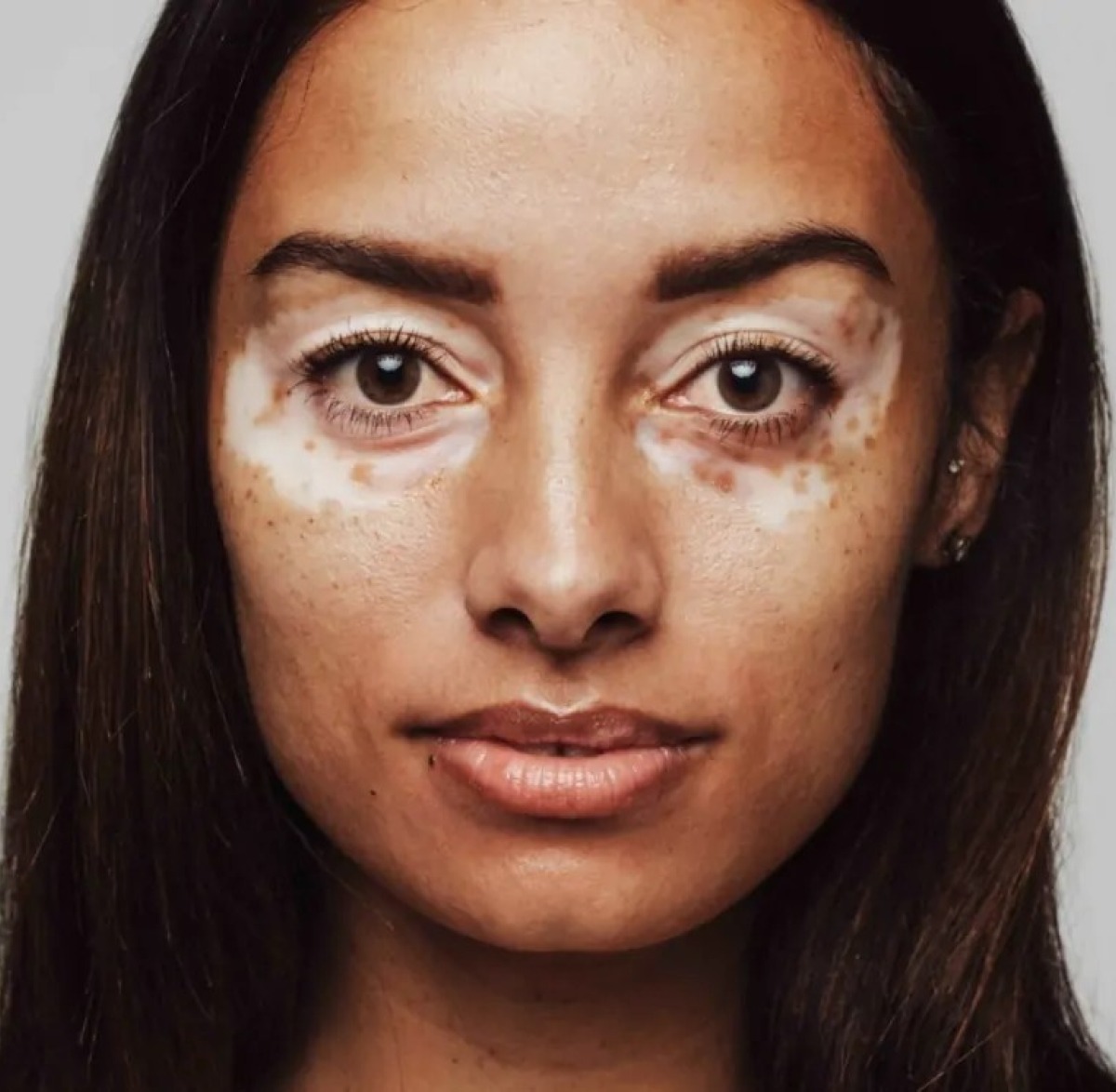
Psoriasis, eczema, and vitiligo are well-established indications for NB-UVB phototherapy and respond very well to this treatment. When NB-UVB is recommended for a patient, home phototherapy is a wise and practical choice— particularly for vitiligo, where treatment often needs to continue over many months.
Home phototherapy is safe and effective when done properly, with the right medical device and guidance.
UV Tactus: built-in safety and effectiveness through the app:
-
Uses established NB-UVB treatment protocols applied in dermatology clinics
-
Guides each session based on your skin reaction and adherence
-
Automatically calculates dose and helps track and follow treatment:
Precise dose control through UV Tactus device:
-
UV Tactus is a certified medical device delivering the same NB UVB type of light as in hospital or clinic.
-
It includes an integrated medical-grade dosimeter and measures UVB dose in millijoules (mJ) — not just time
-
Ensures each session delivers the exact prescribed energy, improving safety and consistency
In summary: The UV Tactus device and app work together to create a controlled, responsive system that mirrors clinic-based phototherapy — allowing patients with psoriasis, eczema, and vitiligo to treat safely, confidently, and consistently at home, even during long-term treatment.
Yes — and for many patients, home phototherapy is a game-changer. Home UVB phototherapy removes the need for frequent clinic visits and inconvenient appointment times, allowing treatment to start as soon as a flare-up appears — without waiting in queues. Because it fits more easily into daily routines, home treatment often improves adherence, which is closely linked to better treatment outcomes.
However, for home phototherapy to be safe and effective, certain prerequisites must be in place:
- A confirmed medical diagnosis that responds well to UVB phototherapy, such as psoriasis, eczema, vitiligo and others.
-
Use of a certified medical device
-
Accurate dosing (dosimetry)
-
Correct adherence to established NB-UVB treatment protocols
Without these safeguards, both effectiveness and safety may be compromised. If you have never used phototherapy before, or if your condition changes, medical advice is strongly recommended. Patients continue treatment independently once a plan is established, with periodic medical follow-up if needed.
Important! Not all light treatments can be done at home. Excimer laser and excimer light therapies must be performed in a clinical setting and are not suitable for home use.
How UV Tactus Enables Successful Home Phototherapy:
- UV Tactus is a CE-marked medical device designed specifically for safe and effective home NB-UVB phototherapy. It uses 16 high-performance LEDs to deliver the same narrowband UVB light used in dermatology clinics, combined with a professional-grade integrated dosimeter for precise dose control.
- The UV Tactus app guides patients through the approved NB-UVB treatment protocol, calculates the correct dose for each session, advises when to skip treatment if skin redness persists, and generates treatment reports that can be shared with a doctor.
Together, this ensures phototherapy is carried out correctly, safely, and consistently at home — with clinic-level precision and confidence.
Key takeaway: When done properly with the right medical device, home phototherapy gives you freedom, control, and continuity of care.