

Rated 4.8/5 based on 12,570+ phototherapy treatments with UV Tactus
Patients use UV Tactus for following skin disorders: Psoriasis, Eczema, Atopic dermatitis, Neurodermitis, Vitiligo, Mycosis fungoides, Lichen planus, Pityriasis lichenoides, Morphoea (Scleroderma), Chronic urticaria, Pruritus, Photodermatoses, etc.
“All I ever wished for was to have clear, healthy skin again. After so many years of battling psoriasis, with endless trials and disappointments, I’ve finally found a solution that truly works!”

As a GP living with psoriasis, I am familiar with the condition both personally and professionally, along with the challenges it brings. I’ve been using UV Tactus myself and found it to be a very well-designed device that delivers excellent results. Home phototherapy can be confusing, but that is not the case here.
What I particularly value is the built-in dosimeter, which ensures treatment is controlled and safe-something that is essential from medical perspective. I am also impressed by the LED technology, as all other devices still rely on tube lamps. The app makes the whole process easy to follow at home. From my perspective UV Tactus is very practical, well designed and effective solution that I confidently recommend to my patients.
I use UV Tactus to treat my psoriasis and also my teenager’s eczema. It works very well for both. The itching stopped after just two treatments and the skin started to improve fast.
The online onboarding with UV Tactus people was very helpful. I could ask all questions. We started the treatment with confidence and understood well what to do. The app helps a lot to follow. I use the full surface of the device because my psoriasis areas are quite large. My son uses only part of it for eczema. We are both very happy with the results. Highly recommend for psoriasis and eczema.

The online consultation was super helpful, and the instructions were very clear. After that, I knew exactly what to epect and how to do each treatment properly. Once I got started, everything felt simple and quick.
The device is really well designed. I am treating vitiligo, so I know it's not a short journey, but having something that truly works and feels reliable, makes a huge difference. I began noticing changes after about two months. Still on the road, but very happy so far.

I’ve had psoriasis on my elbows and legs for many years. Creams stopped giving results long ago which was very frustrating. My dermatologist recommended UVB phototherapy but getting it through the NHS is difficult because of long waiting times and travel.
I spent a lot of time looking at devices online. UV Tactus stood out as the most trustworthy and reliable option for me. The information was clear and the technology felt solid. I was a bit anxious at first, but within 6 weeks the redness faded, the itching stopped, and my skin started looking normal again.
It’s easy to use and doesn’t require any special knowledge. The app guides you through everything, and the device is intuitive. It’s made a huge positive impact in my daily life, and I feel confident to use it when my psoriasis flares up.
It’s such a good therapy for my scalp. I noticed the first improvements within the first few weeks, with the flaking completely gone — which for me was already a huge relief. The redness took a little longer to settle, but the progress was very reassuring.
After almost two months of use, I saw very clear overall results. I now continue with maintenance sessions once a week to keep everything under control.
The results came faster than I expected. Even stubborn patches on my knees are smoother, less red and NOT ITCHY AT ALL. Feels amazing.
I wish someone told me about UV Tactus earlier. Years wasted on messy treatment and frustration… now I see progress.
The difference is like day and night. When I look at my before and after photos, the improvement is very clear. The psoriasis on my back is now gone, so I stopped treatment there. I am still treating my arms and legs and increasing the dose as written in the app.
I can already see very good progress, much better than I ever had with creams. I wish it worked in one day, but I am very happy with the results and believe the rest will clear with several more sessions. It takes only little time per week and I do it at home. I really recommend UV Tactus for people that cannot control psoriasis with creams.
The price paid off within the first month, since my whole family is using it. The results and the convenience make this investment completely worth it.

I was surprised how quick the sessions are. Less than 10 minutes for the body, and after 15 sessions, I could already see huge improvement.
I bought UV tactus for psoriasis on may body and scalp. I am very happy with the device and started to see first results after about two weeks.
Everything arrived well packed and on time. The instructions were clear and easy to follow. I had some questions and received answers and recommendations immediately.

My dermatologist mentioned light therapy years ago, but I couldn’t get regular sessions. When I read about UV Tactus I wasn’t sure, thought it might be another gimmick. Turns out it’s the same kind of light I had in clinic, just portable.
Took a few weeks for first results and almost two months for complete clearance. It's been nearly 4 months of having Tactus at home, which I use whenever I see first signs of my psoriasis flare ups and this way the effect is even faster.
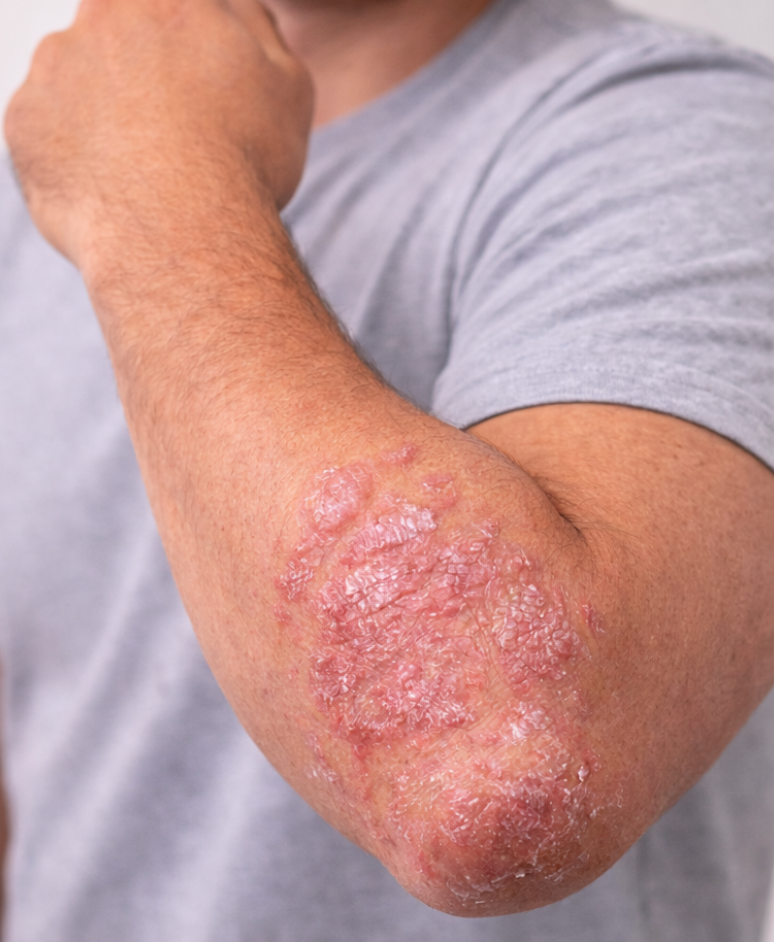
After just a few weeks, the large rash on my elbow started to fade. That says it all. And it only took seconds three times per week.

After years of daily application of lotions, creams and hormone treatments I just knew I had to try sth different. My doctor recommended phototherapy, so I started searching for options. For home use preferably due to my working hours. After a very thorough research and comparison of alternatives I decided to have an online consultation with UV Tactus which I was sceptic about at first because of the price. And here is the plot twist of me writing a review as my personal success story here:)
After around 8 weeks of use my scalp is completely clear, and by that I do mean COMPLETELY! My hair is thick, but the comb manages them really really well! It's a high quality product, definitely worth the investment.
I glad I found this device! It's been a while since I started using UV Tactus, and the results keep getting better. I still use an ointment as well, but the difference is amazing - those areas that used to sting and itch are now calm and almost clear.
My dermatologist recommended it for my psoriasis. I see big changes. I love that the device is very easy to use and there is no confusion. The treatment area is enough for my elbows and knees. The app feature of reminders and dose suggestions is very important for me. Very happy with UV Tactus result.

A friend recommended UV Tactus. She's been using it for her child with psoriasis. I have psoriasis myself and long use topicals led to skin thinning and discolouration. The device worked brilliantly! I especially like the app that calculates the correct doses and sends reminders. The device itself is of hight quality and easy to use.
I used to do phototherapy sessions in a clinic but couldn't keep up with the schedule with work and other commitments. I was nervous about doing it myself but Tactus really makes it foolproof.
The app calculates doses, sends reminders and makes it feel like you have a real nurse on your phone. The on-boarding and follow up were excellent and the device easy to use and works fast. I've been using it on my hands and the improvement is remarkable. I strongly recommend it!

I had lots of questions before buying the device and the Tactus team went above and beyond! They even arranged a video call to show me how the device and app would work, answered all my questions clearly and shared real patient success stories. This experience gave me confidence and I don’t regret buying it right away for a second.
My psoriasis on elbows, hands and scalp is improving rapidly. I only wish the treatment surface was a bit larger (though I know it’s one of the biggest available among portable devices). Overall, it’s a fantastic modern solution and it is miles ahead of anything else I tried and found in my research.
I have eczema. I was looking for home phototherapy device and was immediately impressed that UV Tactus uses LEDs - all the others still rely on old fluorescent lamps, which feels outdated. None of them had a proper dosimeter either, just a timer, which is pretty useless. I decided to pay more for a device I can truly control, and it was the right choice. I get the exact dose from the app, input in the device and I am done with all spots in a couple of minutes.
The itching disappeared after the first few sessions, and after 12 treatments the improvement was massive. Highly recommend

I used another UV device before, but it was such a hassle- guessing the right dose, no follow up, and honestly, I didn’t see much improvement. I hesitated before buying Tactus device, but decided to give it a try because it promised clinical- grade precision and app for guidance. And it delivered exactly that! It’s super easy to use, fast, and completely clear.
Phototherapy works great for me and the device delivers what I was looking for.
The treatment works very well for me. After about a month, my psoriasis was reduced by half, and after a few more sessions, the patches disappeared. At first, out of curiosity, I once used a dose that was too high and experienced a bit of redness. After that, I followed the instructions exactly and everything went very well.
The device is high quality, safe, and very easy to use. It isn’t cheap, but the results make it worth it — and it can be used for many years.
I discovered UV Tactus through recommendations, and it has been the best find after many years of battling psoriasis. I tried countless creams, lotions, ointments, and medications — everything helped only temporarily. But after starting to use this device, I saw a clear improvement after just three sessions.
It’s very easy to use, and each treatment takes only a few minutes. I especially recommend it to those with scalp psoriasis — there’s no longer any need to apply creams or walk around with greasy hair.
UV Tactus has changed my life. It helped me overcome a problem that had undermined my confidence for years. I genuinely recommend it to anyone looking for a real solution, not just temporary relief.
92% of patients notice first results within 2 weeks. Full improvement may take 1-2 months of treatment in cases of psoriasis and eczema, and longer in cases of vitiligo.
From Symptoms to Relief
After UVB light therapy with UV Tactus, patients report clearer skin, relief from itching, reduced redness, repigmentation.
UV Tactus brings clinic-level phototherapy into everyday life — and the results speak for themselves.


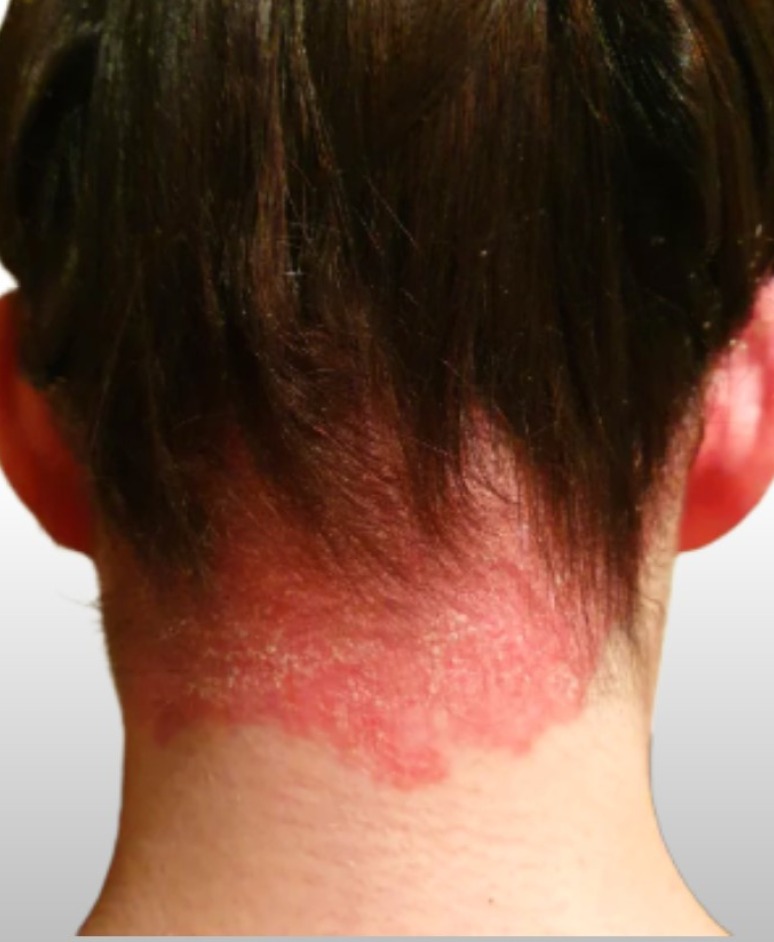
Psoriasis: Results of psoriasis treatment for 2 months with UV Tactus

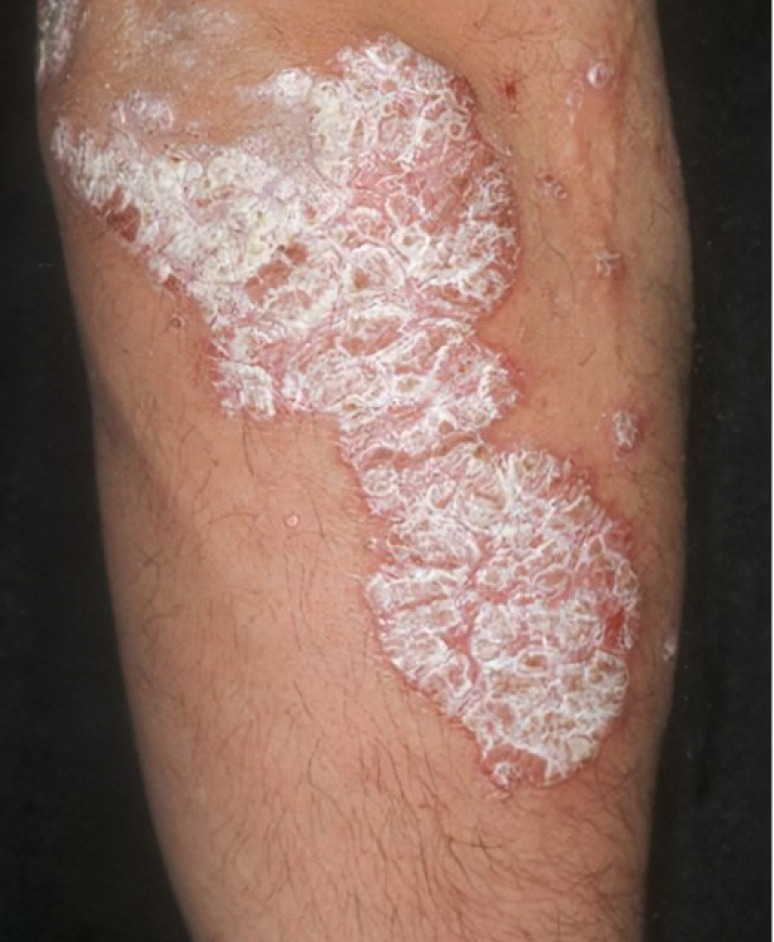
Psoriasis: Results of psoriasis treatment for 3.5 months with UV Tactus

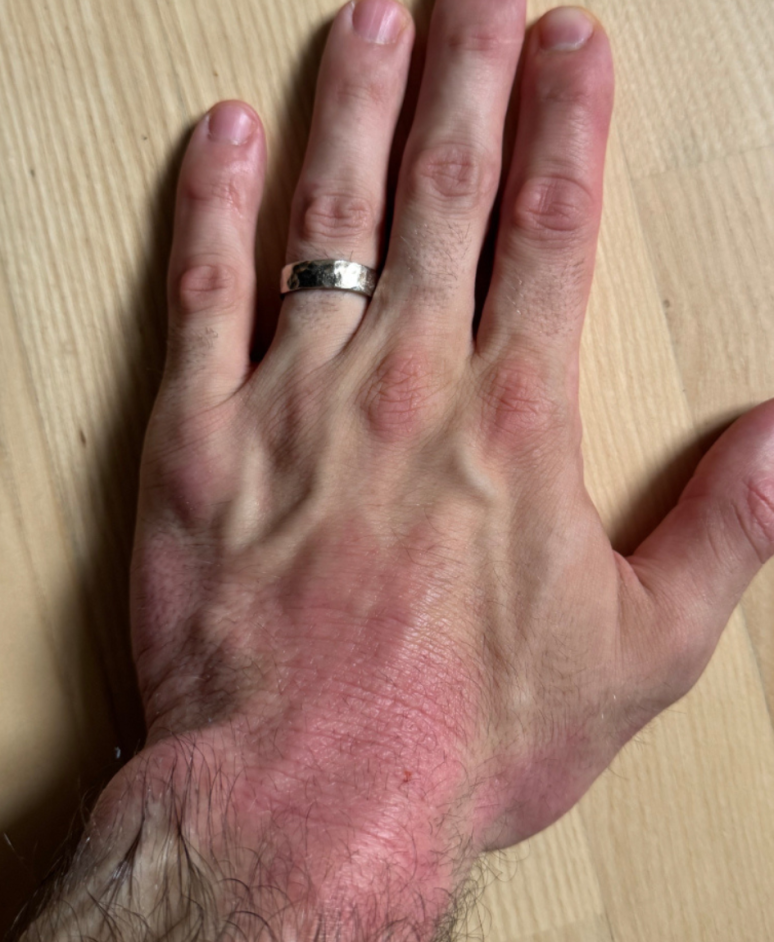
Eczema: Results of eczema treatment for 8 weeks with the UV Tactus

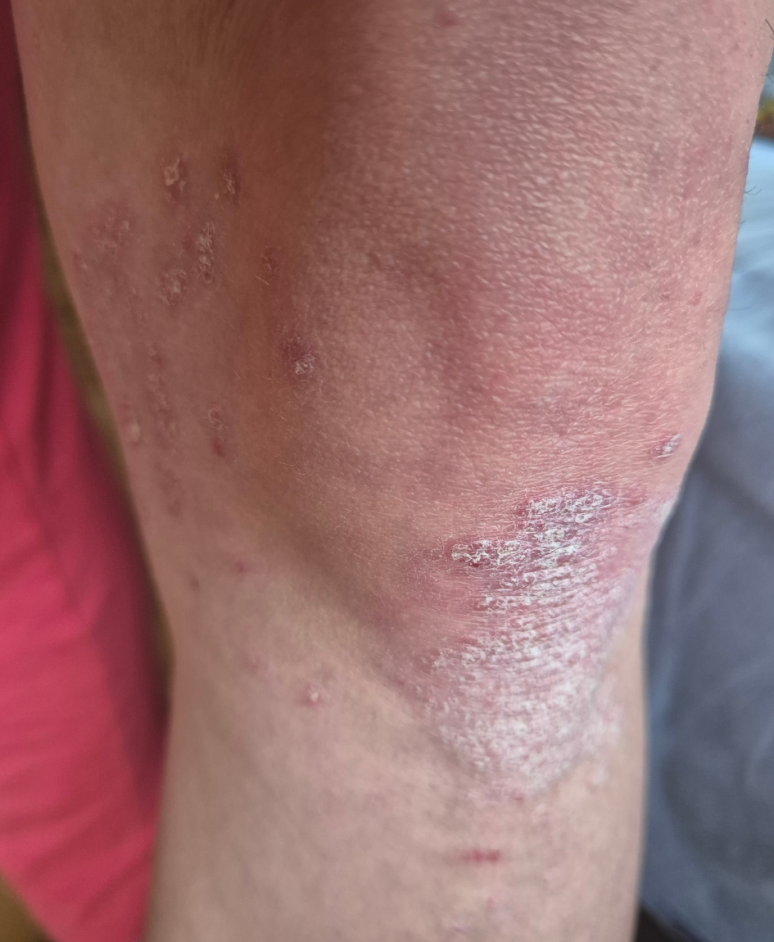
Psoriasis: Results of psoriasis treatment for 1.5 months with UV Tactus


Eczema: Results of eczema treatment for 1 month with UV Tactus


Psoriasis: Results of psoriasis treatment for 1 month with UV Tactus
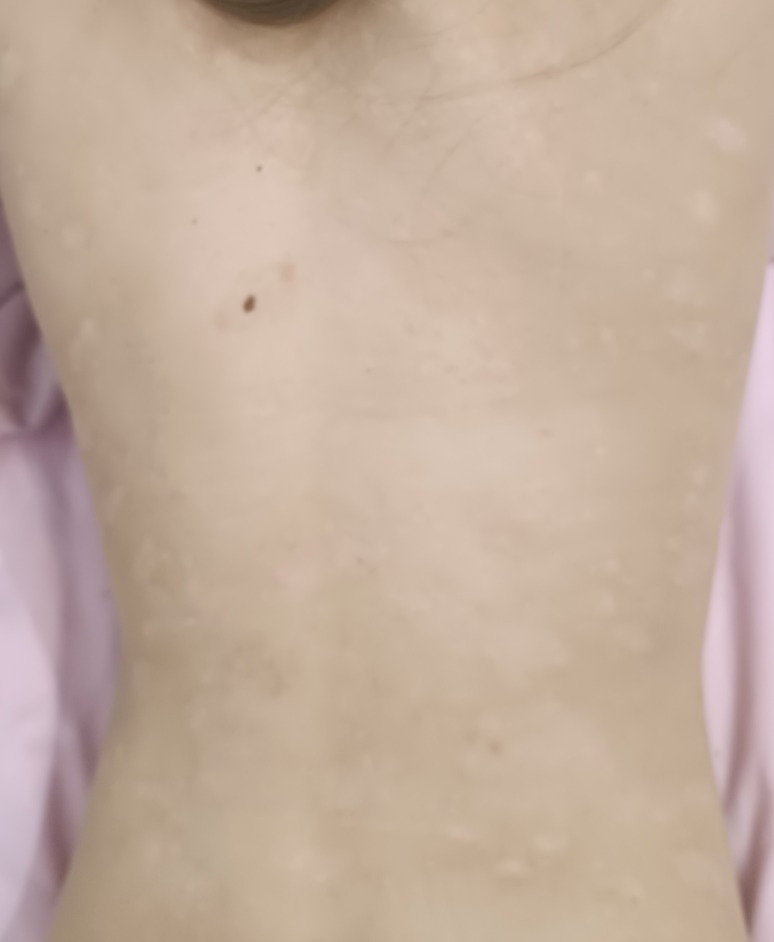

Psoriasis: Results of psoriasis treatment for 1.5 months with UV Tactus
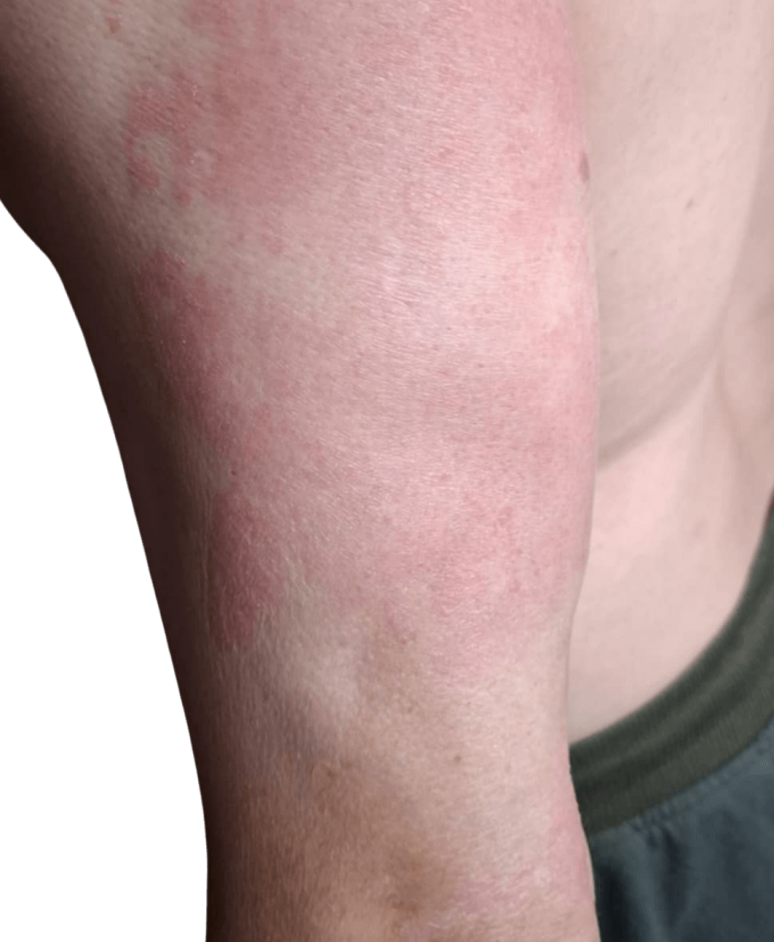
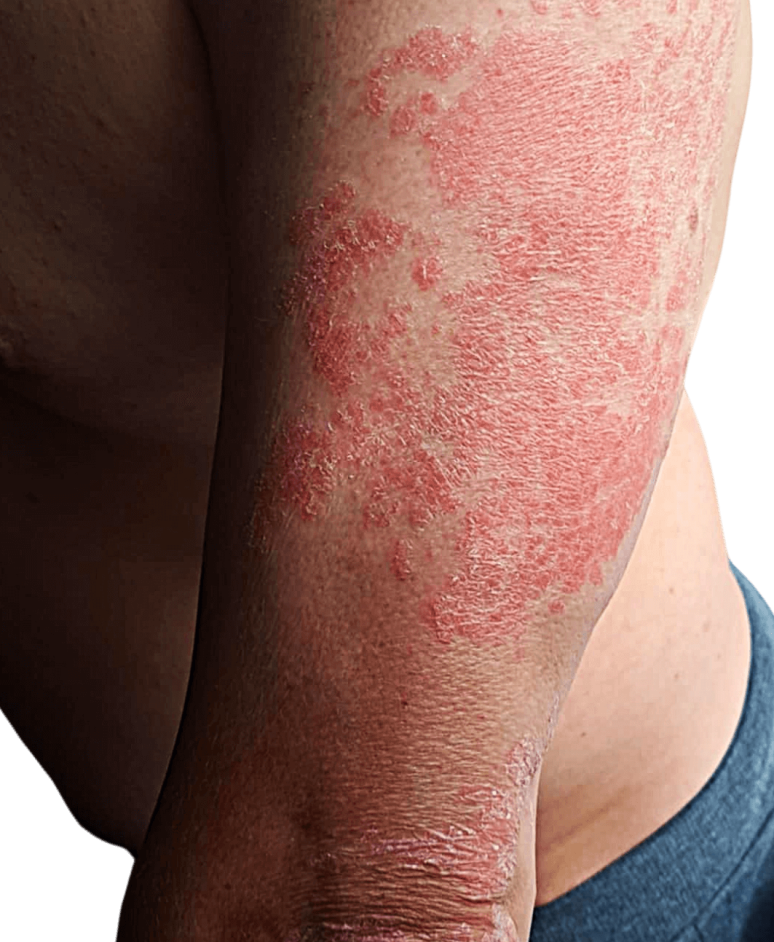
Psoriasis: Results of psoriasis treatment for 2 months with UV Tactus


Psoriasis: Results of psoriasis treatment for 1.5 months with UV Tactus
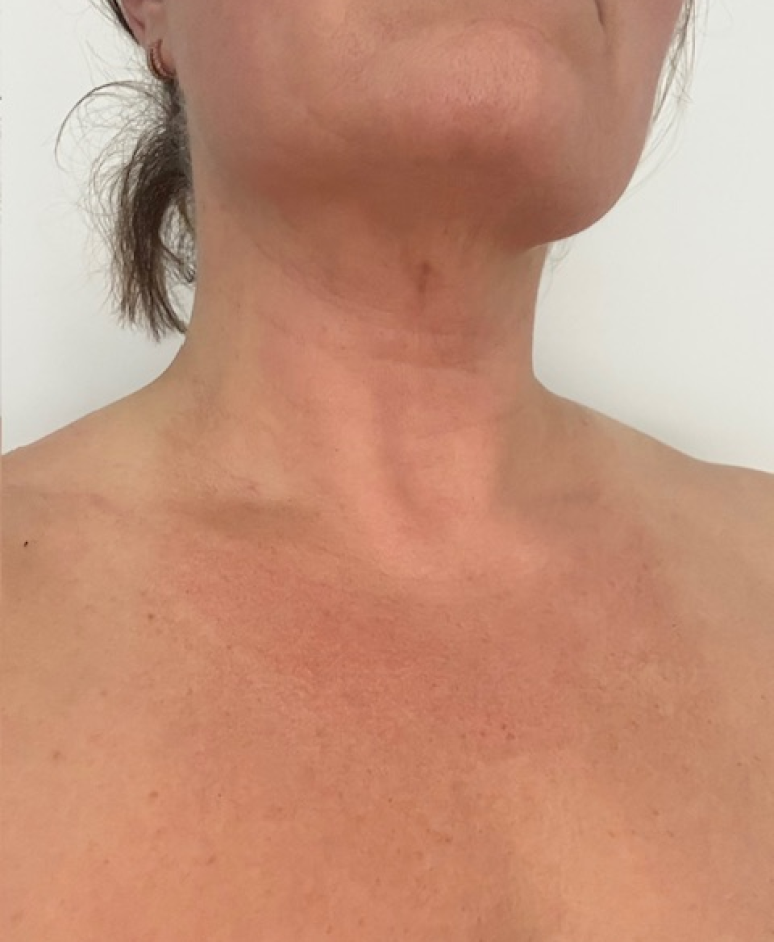

Dermatitis: Results of contact dermatitis treatment for 2 weeks with UV Tactus

„Patients tend to adhere better to home phototherapy because it integrates more easily into their daily routines. This higher adherence rate translates to better treatment outcomes.“ Tina Bhutani, MD, MAS, FAAD — dermatologist practising in San Francisco, California


Only UV Tactus combines clinic-level UVB therapy with true ease of use at home
- A certified professional medical device with an integrated dosimeter and advanced LED technology delivers the same results at home as in-clinic treatment
- The dedicated app guides you step by step, so you always know exactly what to do
- Free face-to-face video onboarding ensures a confident start, with personal support available whenever needed
*Your doctor may not yet be familiar with the latest developments in home UVB phototherapy. If you feel UV Tactus could be suitable for your chronic skin condition, you can download our brochure to share at your next appointment. If you have any questions, please feel free to contact us.
A powerful and reliable tool for your skin
Suitable for children and adults, across all skin types and body areas. UV Tactus delivers simple, comfortable UVB phototherapy using powerful LEDs that provide even ultraviolet light in short, efficient sessions. The device’s large treatment surface allows for faster sessions and makes daily routines easier.
F.A.Q.
Psoriasis, eczema, and vitiligo are well-established indications for NB-UVB phototherapy and respond very well to this treatment. When UVB light is recommended for a patient, home therapy is a wise and practical choice— particularly for vitiligo, where treatment often needs to continue over many months.
UVB Phototherapy at home is safe and effective when done properly, with the right medical device and guidance.
UV Tactus: built-in safety and effectiveness through the app:
-
Uses established NB-UVB light therapy treatment protocols applied in dermatology clinics
-
Guides each session based on your skin reaction and adherence
-
Automatically calculates dose and helps track and follow treatment:
Precise dose control through UV Tactus device:
-
UV Tactus is a certified medical device (CE MDR Class IIa) delivering the same NB UVB type of light as in hospital or clinic.
-
It includes an integrated medical-grade dosimeter and measures ultraviolet light dose in millijoules (mJ) — not just time
-
Ensures each session delivers the exact prescribed energy (UVB light), improving safety and consistency
-
Powerful LEDs distribute UVB light evenly across every millimetre of the treatment area without heating. The device’s treatment surface is divided into four individually controlled zones, which can be used separately or combined to cover up to 106 cm².
In summary: The UV Tactus device and app work together to create a controlled, responsive system that mirrors clinic-based UVB light therapy — allowing patients with psoriasis, eczema, and vitiligo to treat safely, confidently, and consistently at home, even during long-term UVB light therapy treatment.
Narrowband UVB (311 nm) phototherapy is a highly effective, well-established treatment and is commonly used as a first- or second-line option for chronic skin conditions such as psoriasis, eczema, and vitiligo. Supported by decades of clinical use and international medical guidelines, it is widely recommended and prescribed by dermatologists as a safe, reliable therapy.
UVB phototherapy uses precisely controlled doses of UV light to effectively calm inflammation, slow excessive skin cell growth, support repigmentation, and promote natural skin healing. With regular, consistent light therapy sessions, the majority of patients experience significant and long-lasting improvement, often reducing their reliance on creams or other treatments.
- Clinical evidence and dermatology guidelines support home-based NB-UVB phototherapy for patients. When done correctly, home treatment can achieve results comparable to clinic-based phototherapy, while offering greater convenience, better adherence, and the ability to start treatment as soon as a flare-up occurs.
- However, safe and effective UVB light therapy at home depends on using a trusted medical device.
How UV Tactus addresses dermatologists’ key concerns about phototherapy at home:
-
CE - marked professional medical device (Class IIa, MDR 2017/745) for safe and effective use at home. It is certified by TÜV Rheinland (Germany) and meets the latest and most rigorous medical device regulatory frameworks. Registered with the MHRA for UK.
- It is the only home NB UVB phototherapy device with LED light source and a professional integrated dosimeter, enabling the same dose accuracy and protocols used in clinical settings. The dose of UV light is measured in joules, not time, reducing the risk of under or over-exposure.
-
The UV Tactus app helps patients follow their personal treatmentprotocol correctly and consistently.
-
Free one-to-one onboarding ensures a confident start, with ongoing guidance available after purchase.
This combination of UV Tactus’ advanced features delivers clinic-level results with the highest level of safety at home.
Please visit Results section where you can read UV Tactus patients' reviews and see Before and After treatment stories.
Concerns about skin cancer are completely understandable when considering any treatment that uses ultraviolet light. Risk of skin cancer is known to be influenced by excessive or uncontrolled UV light exposure, particularly UVA light, which is more strongly associated with photo-ageing and cancer. For this reason, older treatments such as PUVA (psoralen plus UVA) are known to carry a higher long-term cancer risk.¹³
- By contrast, narrowband UVB (NB-UVB) light therapy has been used in dermatology for many decades, and large long-term studies have not shown a proven association between NB-UVB light therapy treatment and an increased risk of cancer when it is prescribed, dosed and monitored correctly.³ NB-UVB light delivers a very specific UVB wavelength (311 nm) and does not emit UVA, which significantly improves its safety profile compared with older phototherapy methods.¹³
- Most research indicates that NB-UVB light carries little to no additional risk beyond normal everyday exposure to natural sunlight, while offering the advantage of controlled, medically targeted dosing rather than unpredictable sun exposure.⁴
As a precaution, dermatology guidelines recommend long-term skin monitoring only for patients who receive very high cumulative numbers of light therapy treatments (typically more than 500 whole-body sessions), particularly in individuals with additional risk factors such as fair skin or significant past sun exposure.¹
- When NB-UVB light is used at home, correct dosing and control are especially important. Dermatologists consistently emphasise that phototherapy at home should follow the same treatment protocols and dose accuracy used in clinics.¹
This is where UV Tactus plays an important role. UV Tactus is a regulated medical device for home use that delivers medical-grade NB-UVB (311 nm) without UVA, incorporates a professional-grade dosimeter to ensure accurate dosing, and allows treatment to follow established clinical protocols. The UV Tactus mobile app guides patients step by step through their prescribed treatment plan, helping to prevent over- or under-exposure, and patients also receive a free one-to-one video onboarding session so treatment starts confidently and correctly from day one.
When NB-UVB light therapy is delivered using a properly regulated home device, with accurate dosing, UVA-free light and appropriate guidance, it is considered a safe and well-established treatment with no demonstrated increase in cancer risk.¹³⁴
References:
¹ British Association of Dermatologists & British Photodermatology Group.
Guidelines for narrowband ultraviolet B phototherapy (2022).
British Journal of Dermatology.
National Institute for Health and Care Excellence (NICE).
Psoriasis: assessment and management. UK clinical guidance.
³ Boswell L et al.
Phototherapy for psoriasis – outdated or underused?
British Journal of Dermatology 2018; 179:1148–1156.
DOI: 10.1111/bjd.17021
⁴ Kosmadaki M, Antoniou C.
In: Katsambas AD et al. (eds.) European Handbook of Dermatological Treatments.
Springer Nature Switzerland AG, 2023.
DOI: 10.1007/978-3-031-15130-9_127
While there are few absolute contraindications to phototherapy, such as a history of light sensitivity, genetic predisposition to skin cancer, relative contraindications include a personal history of skin cancer or a poor response to past phototherapy.
It’s essential to discuss potential risks with your doctor, particularly if you have lighter skin, are taking sun-sensitizing medications, or are using immunosuppressive drugs.
UVB light therapy is not recommended for individuals with severe systemic diseases or those with photodermatoses, which worsen with light exposure. Always consult your doctor before starting phototherapy to ensure it's safe and appropriate for your specific condition.
Thanks to its versatile immune-modulating and cell-regulating effects, phototherapy can be used as an effective primary or secondary treatment for a wide range of dermatological conditions and skin diseases. Doctors and patients use UV Tactus light therapy to treat skin conditions such as: Psoriasis, Eczema, Atopic dermatitis, Neurodermitis, Vitiligo, Mycosis fungoides, Lichen planus, Pityriasis lichenoides, Morphoea (Scleroderma), Chronic urticaria, Pruritus, Photodermatoses, etc.
Results depend on your specific condition and skin disease, how your skin responds, and how consistently you attend UVB therapy sessions (usually 3 times per week).
First results often appear after a few weeks, but UVB light therapy works gradually — consistency is crucial to achieve the best results and shorten the time to improvement.
-
Psoriasis: A typical course averages around 25 sessions. Whe treating psoriasis, many patients see clear improvement within weeks and a significant reduction in the need for steroid creams by the end of the course.
-
Vitiligo: Progress is slower and requires a longer-term approach, often with treatment continuing for several months and sometimes up to a year. Doctors usually assess for signs of repigmentation within the first six monthsbefore deciding whether to continue.
-
Remission: After completing a course, many patients enjoy treatment-free periods, during which the skin remains stable or clear.
Phototherapy, particularly Narrowband UVB (NB-UVB) light therapy, is considered very safe and has been used for decades with well-established safety profiles. Unlike older treatments like PUVA, the largest studies on NB-UVB treatment have not shown an increased risk of skin cancer. UVB light therapy does not typically lose its effectiveness over time, meaning you can have repeated light therapy courses over many years. As a precaution, medical guidelines recommend that if you reach 500 sessions in your lifetime, you should receive regular specialist skin cancer checks.
- The long-term safety profile of NB-UVB light therapy is well-established from decades of clinical use. This stands in contrast to some newer systemic drugs, where robust data on risks associated with continuous, long-term use is still being gathered. This extensive track og UVB therapy record allows for clear, evidence-based safety protocols.
With the UV Tactus, You can treat various parts of the body, including and not limited:
- Arms and legs (both flat and curved areas)
- Torso (chest, back, and abdomen) and buttocks
- Hands and feet
- Scalp (with the comb attachment for better access through hair)
- Face, ears, neck (you can treat eyelids with eyes closed)
- Nails
- Hard-to-reach areas, such as behind the knees, elbows, and other curved or uneven surfaces
Only with UV Tactus you get Flexible Treatment Zones
The device’s treatment surface is divided into four individually controlled zones, which can be combined to cover up to 106 cm².
With a button press, you choose the zone combination that matches the shape of the affected area and direct the UVB light precisely.
Why it matters: You ensure that light is targeted exactly where needed, while surrounding skin is protected from unnecessary UV light exposure.
Special comb attachment for Scalp Treatment
Magnetic comb gently parts the hair, allowing the NB-UVB light to reach directly into the scalp. The transparent comb ensures UV light transmission, while the durable teeth are strong and long-lasting. The device’s protective frame shields your hands from UVB light exposure during use.
Why it matters: Simple and convenient with a lightweight, ergonomic, palm-sized device — the comb attachment treats the scalp psoriasis and eczema effectively without irritating sensitive skin.
Every UV Tactus set includes two medical-grade silicone frames, designed for both flat and curved body surfaces. They ensure the ideal distance from the skin so the exact dose reaches the treatment area, while protecting healthy skin from unnecessary UV exposure.
Why it matters: UVB light is concentrated on the treatment zone and distributed evenly, while unaffected skin remains protected — making therapy more precise and safer.
Yes. NB-UVB light therapy can be used on its own or alongside other treatments, including topical treatments, systemic medications, and biologics.
Phototherapy is often part of a comprehensive treatment plan. Skin conditions such as psoriasis, eczema and vitiligo usually require long-term management rather than a single solution. Combining treatments can improve overall control, enhance results and reduce the need for stronger medications. At the same time, both doctors and patients frequently turn to UVB light therapy to help reduce reliance on steroid creams and minimise long-term steroid exposure where possible.
Along with phototherapy treatment you may continue with prescribed topical treatments — but avoiding application immediately before a UVB light therapy session, as creams can reduce light penetration and affect effectiveness. However, it is essential to consult your doctor first. Some medications — particularly photosensitising drugs or certain immunosuppressants — can increase sensitivity to UVB light. Your doctor can advise how to safely combine UV Tactus light therapy with your current treatment and adjust the plan to maximise safety and results.
After UVB light therapy session, you may feel the skin dry, so regular use of emollients is recommended to maintain hydration, support the skin barrier, and improve comfort throughout the treatment period.
Countless patients choose UV Tactus and see visible improvements in their skin condition. You can too!